

“It’s just a coffee.”
“Just a snack.”
“Just a quick online order.”
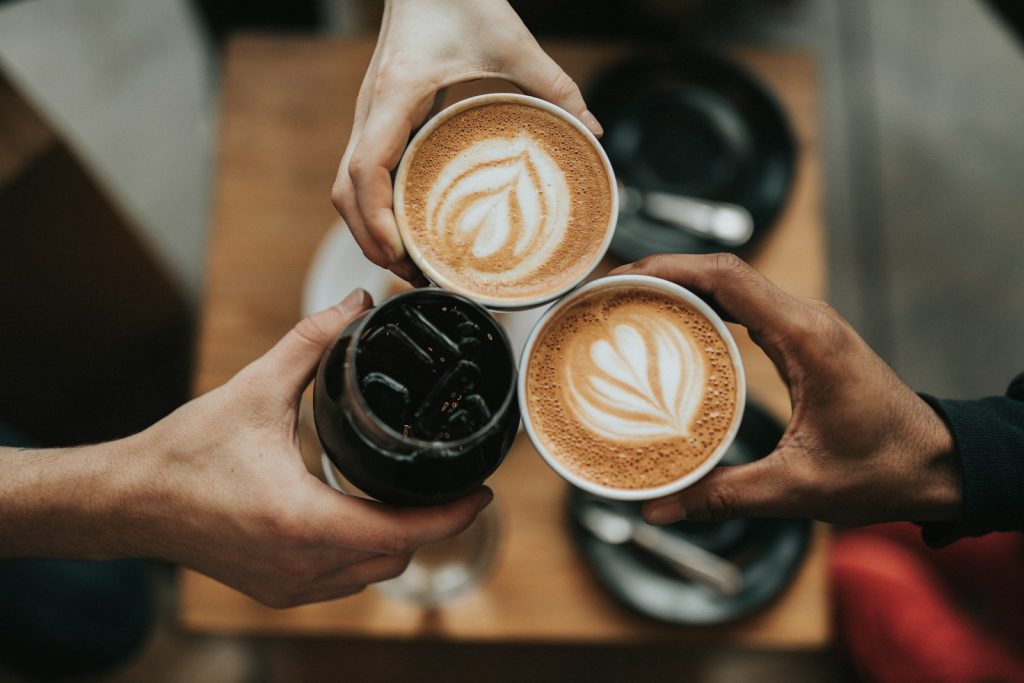
Small purchases feel harmless because they don’t hurt in the moment. But over time, these tiny expenses quietly drain more money than big, obvious ones. Understanding why small purchases add up—and learning how to manage them without feeling deprived—can make a huge difference for your financial health.
Small Prices Feel Invisible
When something costs a small amount, your brain often doesn’t register it as a “real” expense. That R30 latte or R50 snack doesn’t feel significant.
The problem? Repeated small purchases create large costs over time.
- A coffee each weekday at R30 adds up to R600 a month.
- A quick R50 online order twice a week adds up to R400 a month.
It may feel harmless in isolation, but over the course of a year, these “tiny” purchases can quietly add up to thousands of rands.
💡 Tip: Track all your small purchases for one week. Seeing the total often surprises even the most careful spender. Awareness is the first step to control.
They Happen More Frequently
Big purchases—rent, a phone, or a laptop—happen occasionally. Small purchases? They happen constantly.
Daily habits like:
- Buying coffee or snacks
- Grabbing transport extras
- Quick online purchases
…repeat every day. Frequency, not price, is what makes them powerful. Even a small daily expense, repeated consistently, can add up faster than you realize.
💡 Tip: Schedule a weekly review of your small expenses. It’s easier to catch overspending before it spirals.
Emotional Spending Loves Small Amounts
Small purchases are often emotional. They act as:
- Rewards after a long day
- Comfort when stressed or bored
- Quick mood boosters
Because the amount feels small, your brain justifies it more easily. And because they’re repeated, these purchases become habitual, quietly creating a drain on your finances.
💡 Tip: Ask yourself before each purchase: “Am I buying this because I need it—or because I feel like it?” Sometimes just pausing reduces unnecessary spending.
Digital Spending Makes It Worse
Tap-to-pay cards, saved credit card details, and online shopping remove the physical feeling of giving money.
- You don’t see cash leaving your hands
- Spending feels effortless
- Small purchases happen faster than you can process
This digital convenience makes small purchases dangerously easy to repeat, and the total often only shows up at the end of the month.
💡 Tip: Consider using cash for small discretionary purchases. Physically handing over money makes spending more tangible—and harder to ignore.
Small Purchases Hide in Your Budget
Big expenses are easy to track and plan for. Small purchases? Not so much. They often:
- Go unplanned
- Get untracked
- Spread across multiple days
By the time you notice them, the money is already gone. A few hundred rand here and there may not feel significant, but over a month, they can create unexpected shortfalls in your budget.
💡 Tip: Create a dedicated category for small discretionary spending in your budget. Treat it like a real expense and stick to the limit.
Awareness Is the Game-Changer
You don’t have to eliminate small purchases—just become aware of them.
Try these strategies:
- Track every small expense for one week
- Add them into a specific “daily treats” or “miscellaneous” budget category
- Set a daily or weekly limit for small purchases
Even this simple awareness often reduces overspending. Once you see how much the little things cost, it becomes easier to make intentional choices rather than habitual ones.
💡 Tip: Use a spending app or a simple notebook. Sometimes just logging every R10 or R20 expense changes behavior.
Replace, Don’t Restrict
Cutting everything out entirely isn’t sustainable—and often leads to frustration or binge spending. Instead, focus on balance and intention:
- Make coffee at home a few days a week
- Pack snacks for work or school
- Plan small treats instead of spontaneous ones
This approach ensures you still enjoy life without feeling deprived—and keeps your money under control.
💡 Tip: Treat planned small purchases as part of your budget, not as splurges. Intention is the key.
Why Small Purchases Matter More Than You Think
Small purchases affect your finances in three main ways:
- They quietly drain your funds. Individually, R20–R50 may seem trivial, but over weeks and months, the total can equal a significant portion of your budget.
- They reinforce habits. Repetition turns small spending into a pattern that’s hard to break.
- They distract from larger goals. Every rand spent on unplanned purchases is a rand not saved, invested, or used to pay off debt.
By controlling small purchases, you can:
- Free up money for your financial goals
- Reduce stress from unexpected budget shortfalls
- Build better spending habits over time
💡 Tip: If you struggle to limit small purchases, consider a “freeze” period of a week or two—no unnecessary spending at all. Often, this reset is enough to break habits.
Final Thoughts
Small purchases don’t ruin your finances overnight—but they do it quietly, cumulatively, and surprisingly quickly.
Control isn’t about saying no to everything. It’s about knowing where your money is really going and making intentional choices. Awareness, planning, and small adjustments allow you to enjoy treats while still protecting your financial health.
Start noticing the small purchases in your life today. Track them, set limits, and replace impulsive spending with intentional choices. Over time, the little changes add up to big financial wins.
✅ Extra Tip: Turn tracking into a habit. For example, set aside 10 minutes every evening to log your small purchases. This consistent awareness alone often reduces overspending by 30–50%.