

Far from the noise of city life, the Cederberg Mountains rise dramatically in the Western Cape, offering one of South Africa’s most striking and untouched natural landscapes. Known for their surreal sandstone rock formations, ancient San rock art, and crystal-clear night skies, the Cederberg is a destination that feels both timeless and otherworldly.
This is not a place of luxury resorts or busy tourist hubs. Instead, it’s a remote wilderness where camping under the stars is one of the most affordable and rewarding ways to experience nature. For hikers, photographers, stargazers, and adventure seekers, the Cederberg Mountains offer a rare combination of solitude, beauty, and history.
Where Are the Cederberg Mountains?
The Cederberg Mountains are located about 200–300 km north of Cape Town, stretching between the towns of Clanwilliam and Citrusdal in the Western Cape province.
The region forms part of the Cape Fold Mountain range and is characterised by rugged terrain, deep valleys, and dramatic sandstone cliffs shaped by millions of years of erosion.
Getting there usually involves a scenic drive through farmland and semi-arid landscapes before the terrain suddenly transforms into towering rock formations and wild, open spaces.
Despite being relatively close to Cape Town, the Cederberg feels completely remote once you arrive.
A Landscape Shaped by Time
One of the most remarkable things about the Cederberg is its geology. The mountains are famous for their red and orange sandstone formations, which have been sculpted by wind, water, and time into incredible shapes.
Some formations resemble arches, towers, and giant stacked boulders. The most famous rock formation in the area is the Maltese Cross, a massive freestanding sandstone pillar that has become an iconic symbol of the region.
The contrast between fiery rock colours and deep blue skies creates a landscape that is especially stunning at sunrise and sunset.
It’s a place that feels almost alien—like stepping onto another planet.
Ancient San Rock Art: A Window Into the Past
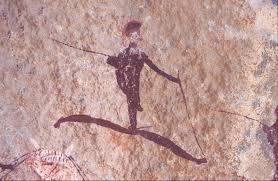
Beyond its natural beauty, the Cederberg is also home to one of South Africa’s most important cultural treasures: ancient San rock art.
The San people, also known as the Bushmen, lived in this region for thousands of years. They left behind detailed paintings on rock walls, depicting animals, human figures, and spiritual scenes.
These artworks are not just decorative—they are believed to represent stories, rituals, and connections to the natural world.
Some guided hikes in the Cederberg lead to well-preserved rock art sites where visitors can see these ancient paintings up close. Because they are fragile and culturally significant, many sites are protected and can only be accessed with a guide.
Standing in front of these artworks offers a powerful sense of history and continuity, connecting modern visitors with one of the oldest cultures in southern Africa.
Things to Do in the Cederberg Mountains
Although the Cederberg is remote, it offers plenty of outdoor activities for those willing to explore.
1. Hiking Through Wild Terrain
Hiking is the most popular way to experience the Cederberg. Trails range from short walks to multi-day backpacking routes through rugged wilderness.
Popular hiking routes include:
- Wolfberg Arch trail
- Maltese Cross hike
- Crystal Pool hike
- Multi-day Cederberg Wilderness trails
Each hike offers something different—from natural rock arches and hidden pools to sweeping mountain views.
The terrain can be challenging, but the reward is complete immersion in untouched nature.
2. Rock Formations and Scenic Exploration
Even without long hikes, there are many natural landmarks accessible by short walks or scenic drives.
Visitors often explore:
- Sandstone arches
- Giant boulder fields
- Narrow gorges and valleys
- Elevated viewpoints overlooking vast wilderness
The landscapes change dramatically depending on the light, making photography especially rewarding.
3. Stargazing Under Some of the Clearest Skies in South Africa
One of the biggest highlights of the Cederberg is the night sky.
Because the region is far from city lights, it offers exceptionally dark skies, making it one of the best stargazing destinations in the country.
On clear nights, you can see:
- The Milky Way stretching across the sky
- Thousands of visible stars
- Planets and constellations with the naked eye
Many visitors bring telescopes or simply lie back outside their tents to enjoy the view. The silence of the mountains at night adds to the experience.
4. Rock Pools and Swimming Spots
During warmer months, natural rock pools become popular swimming spots. These clear mountain pools are formed by streams flowing through the sandstone.
Some well-known spots include the Crystal Pools and various hidden waterholes along hiking routes.
Swimming in these cool, natural pools after a hike is one of the most refreshing experiences in the region.
5. Photography and Nature Observation
The Cederberg is a paradise for photographers. The combination of rock formations, changing light, and vast open landscapes creates endless opportunities for striking images.
Wildlife in the region includes small mammals, reptiles, and a variety of bird species adapted to the rugged environment. While not as abundant as forest regions, the wildlife is well adapted to the harsh conditions.
Where to Stay in the Cederberg
Accommodation in the Cederberg is simple, rustic, and closely connected to nature. This is one of the reasons it remains such an affordable destination.
Most travellers choose:
- Campsites
- Self-catering mountain cabins
- Farm stays
- Wilderness huts
Camping is especially popular and is often the cheapest way to experience the region. Campsites are usually located near rivers, rock formations, or hiking trails.
Many sites offer basic facilities but focus on providing a natural, peaceful environment rather than luxury.
Waking up to misty mountains and absolute silence is part of the experience.
Best Time to Visit the Cederberg
The Cederberg is a year-round destination, but the experience varies with the seasons.
- Summer (Nov–Feb): Hot days, perfect for swimming in rock pools
- Autumn (Mar–May): Cooler temperatures, ideal hiking weather
- Winter (Jun–Aug): Cold nights, crisp air, excellent stargazing
- Spring (Sep–Oct): Wildflowers and fresh mountain scenery
Winter is particularly popular for stargazing, while spring and autumn are best for hiking.
Why Visit the Cederberg Mountains?
There are many natural destinations in South Africa, but the Cederberg stands out for its raw, untouched character.
Here’s what makes it special:
- Dramatic sandstone rock formations
- Ancient San rock art sites
- Exceptional stargazing conditions
- Remote, peaceful wilderness
- Affordable camping and accommodation
- Excellent hiking opportunities
It’s a destination that offers both adventure and deep tranquillity.
Travel Tips for Visiting the Cederberg
Before planning your trip, keep these tips in mind:
- Bring warm clothing—nights can get very cold even in summer
- Carry enough water, especially for hikes
- Use a 4×4 vehicle for some remote areas (depending on route)
- Book campsites in advance during peak seasons
- Respect rock art sites and do not touch paintings
- Be prepared for limited phone signal in remote areas
Final Thoughts
The Cederberg Mountains are one of South Africa’s most unique and awe-inspiring wilderness regions. With their ancient rock formations, sacred San heritage, and some of the clearest night skies in the country, they offer an experience that feels both grounding and unforgettable.
Unlike more commercial destinations, the Cederberg remains raw, quiet, and deeply connected to nature. Whether you are hiking through sandstone valleys, sleeping under a sky full of stars, or exploring ancient rock art sites, every moment feels meaningful.
For travellers looking for an affordable escape into nature, the Cederberg is not just a destination—it’s an experience of space, silence, and timeless beauty.